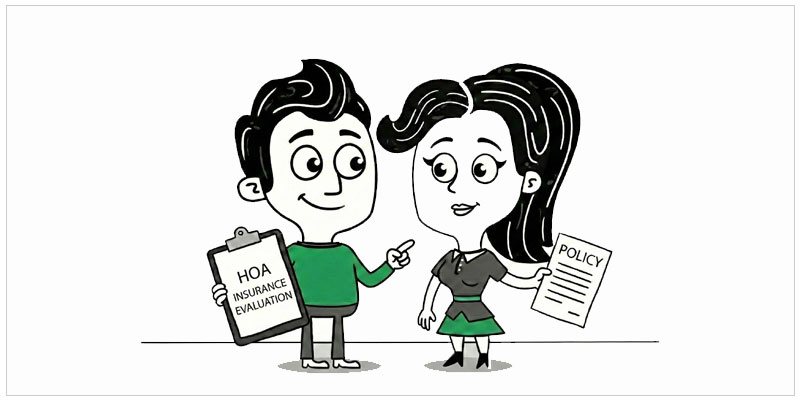
Having an insurance policy doesn’t mean your HOA is fully protected. The real question is whether your coverage matches what your community is actually responsible for — and whether the limits are high enough to handle a serious claim.
For small HOAs under 50 units, this can be especially tricky. Here’s how your board can evaluate whether your current coverage is truly enough.
Make Sure Your Policy Matches What Your HOA Is Responsible For
Your HOA’s insurance coverage is only adequate if it aligns with what your association is legally and financially responsible for.
If your policy doesn’t reflect those obligations, your HOA may be exposed even if coverage is technically in place. The mismatch between what your governing documents require and what your policy covers is one of the most common — and most costly — gaps small associations face.
Confirm Your Property Limits Reflect Today’s Rebuilding Costs
Start by checking your CC&Rs or bylaws — there’s likely a section that outlines the association’s insurance requirements. Some HOAs insure only common areas, while others are responsible for buildings, roofs, or exterior structures.
One of the biggest risks for small HOAs is being underinsured because property limits are based on outdated values.
Construction, labor, and material costs change over time. Limits that were adequate five years ago may no longer be sufficient after a major loss. If your property coverage is based on when the policy was originally written rather than what it would actually cost to rebuild today, your community could face a significant shortfall.
You can work with contractors or reserve study specialists to get updated estimates. If you don’t have those contacts, MicroHOA’s partners at Thumbtack can help connect you with local professionals.
Review Your Liability and Board Protection Limits
General Liability and Directors and Officers (D&O) coverage protect your association and its leadership when accidents, conflicts, or allegations of mismanagement occur.
The key question isn’t just whether these policies exist — it’s whether the limits would realistically handle a serious claim, including legal defense costs and potential settlements.
For small HOAs, D&O coverage is especially critical because board members are volunteers. Without adequate protection, it becomes harder for homeowners to step forward and serve. If the people making decisions for your community aren’t properly covered, the entire association becomes more vulnerable.
Look Closely at Deductibles and Exclusions
Don’t overlook the fine print. Two areas that catch small HOA boards off guard:
Deductibles: High deductibles can create a significant out-of-pocket burden for the HOA when a claim is filed. Your board should know exactly how much the association would owe before insurance kicks in.
Exclusions: Common exclusions like flood, earthquake, and wind/hail can leave important risks completely uninsured. Adequate coverage means understanding both what is covered and what is clearly excluded.
If your community is in a flood zone or hurricane-prone area, these exclusions aren’t just technical details — they’re the difference between recovery and financial crisis.
Confirm Who Is Protected Under the Policy
It’s essential to verify that board members, committee members, and volunteers are clearly included as insureds — especially under D&O coverage.
Look for the “Who Is an Insured” section in your policy. If leadership isn’t properly listed, your association becomes more vulnerable to lawsuits, and recruiting new volunteers becomes significantly harder.
This is one of the simplest checks your board can do, and one of the most important.
A Good Insurance Agent Should Remove the Guesswork
If your board is asking “is our coverage enough?” after the policy is already in place, that’s a sign your agent may not be doing enough upfront work.
A strong insurance agent will:
- Request governing documents, financials, and reserve studies
- May require inspections or updated applications at renewal
- Review rebuilding costs and key exposures before recommending limits
- Explain what’s covered, what’s excluded, and why
When this process is done right, the question of whether your coverage is enough should be addressed before the policy is placed or renewed — not after.
Frequently Asked Questions
How do I know if my HOA has enough insurance?
Check that your policy matches your governing documents’ requirements, property limits reflect current rebuilding costs, liability and D&O limits are adequate for serious claims, and you understand your deductibles and exclusions.
What’s the most common insurance gap for small HOAs?
The most common gap is a mismatch between what your CC&Rs require and what your policy actually covers — especially around property coverage for buildings, roofs, and shared structures.
Should HOA board members have D&O insurance?
Yes. Directors and Officers (D&O) insurance protects volunteer board members from personal liability related to board decisions. Without it, volunteers are personally exposed, which makes it harder to recruit and retain board members.
How often should an HOA review its insurance coverage?
At minimum, annually before renewal. Property limits should be updated whenever construction costs change significantly, and coverage should be reviewed after any major property changes or claims.
What should I look for in an HOA insurance agent?
A good agent will request your governing documents and financials, review rebuilding costs, explain exclusions, and proactively identify gaps — not just quote a price.
Still not sure if your coverage is enough? Join MicroHOA’s free All About Insurance for Small HOAs webinar — Saturday, March 14th at 12pm ET / 9am PT. We’ll walk through exactly what small HOA boards should look for.